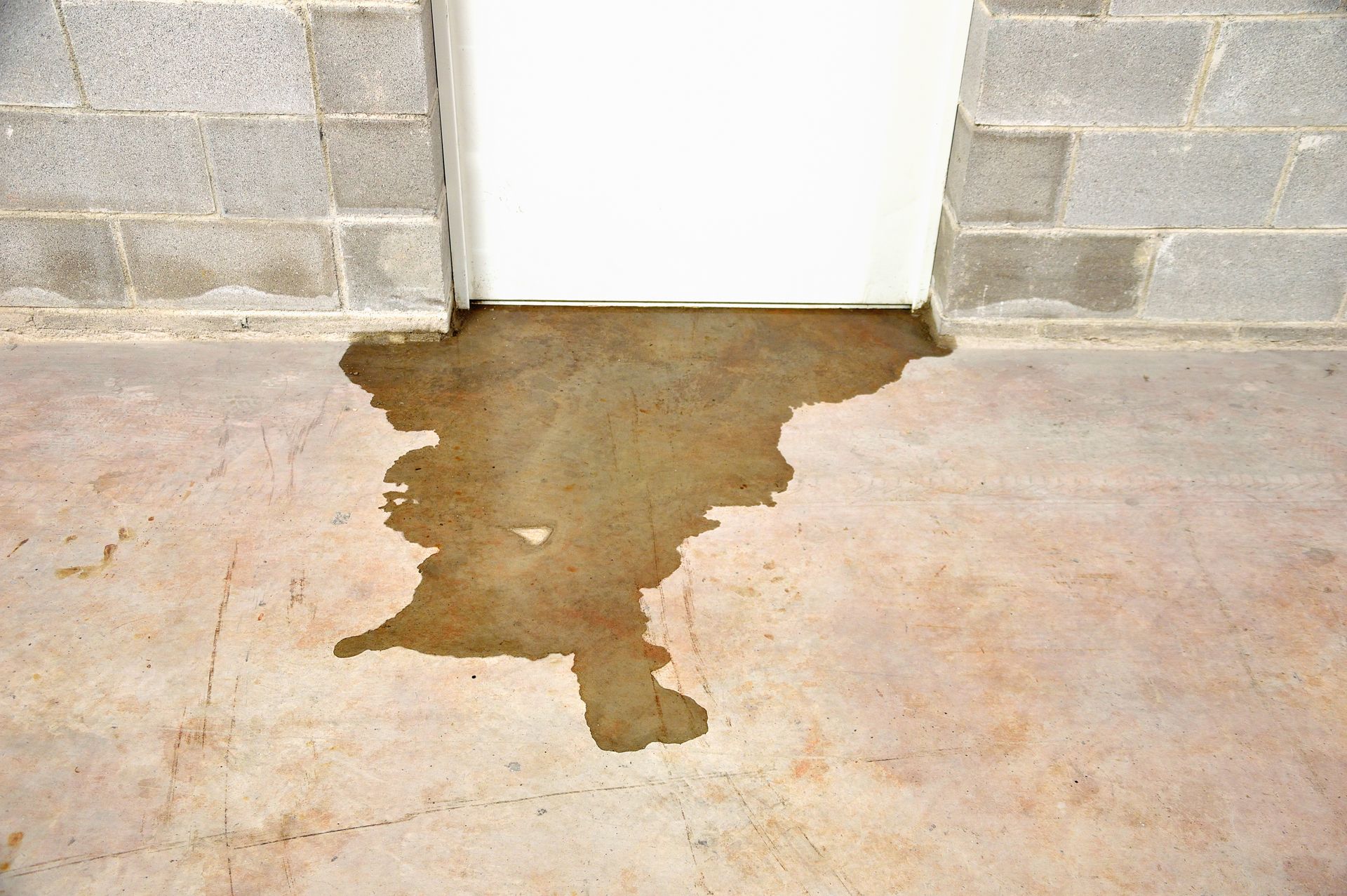
What should I do first after water damage in my house in Lane County?
Direct answer:
Stop the water source if it is safe, protect electrical safety, document visible damage, and begin drying quickly. The biggest mistake is waiting and assuming the surface looks dry when moisture is still trapped inside materials.
Immediate first steps:
- Shut off the source when possible
- Turn off power to affected areas if water is near outlets
- Move belongings and protect floors
- Take photos for documentation
- Start safe airflow and dehumidification
Why speed matters in wet seasons:
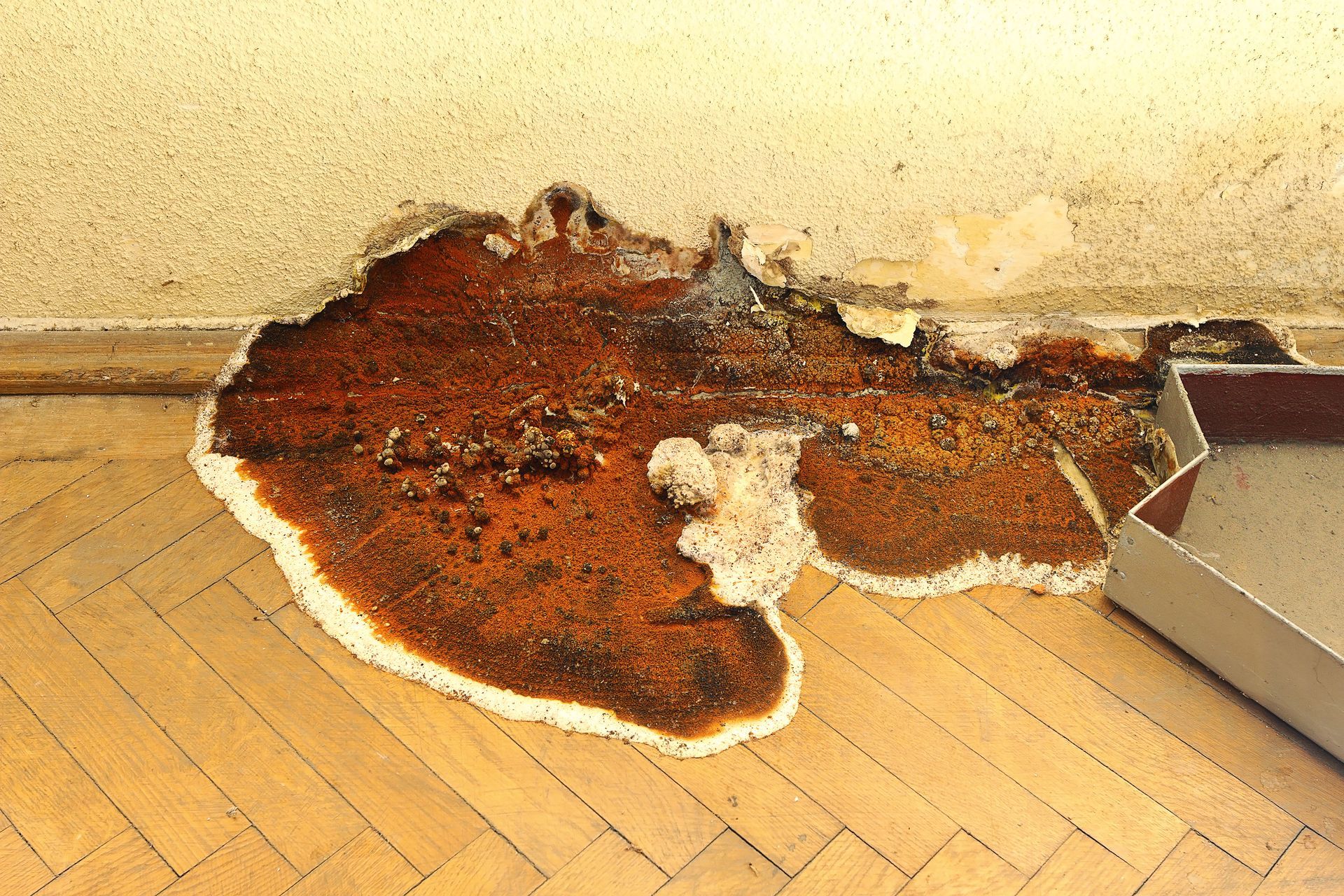
Wet-season moisture slows drying and increases the risk of secondary damage. Water can spread into drywall, insulation, subfloors, and framing, expanding scope fast.
What professional restoration should include:
- Moisture detection beyond what you can see
- Controlled drying with correct equipment
- Removal of compromised materials when necessary
- Repair and rebuild after drying is verified
FAQ:
1. How fast can water damage turn into a bigger problem?
It can escalate within a day when moisture remains trapped. Early drying reduces risk and cost.
2. Should I remove wet drywall immediately?
Not always, but trapped moisture must be addressed. A proper assessment determines what can dry and what must be removed.
3. Can water damage show up days later?
Yes, swelling, odor, and staining can appear after moisture migrates. That is why moisture checks matter.
4. Will my insurance cover water damage?
Coverage depends on cause and policy terms. Document everything and confirm scope before making assumptions.
5. What is the biggest homeowner mistake after water damage?
Waiting too long and only drying what is visible. Hidden moisture is what drives bigger repairs.
6. What is the fastest path to a clear plan?
Schedule an inspection so drying and repairs are scoped correctly. That prevents repeat work later.
If your home has water damage, schedule a professional evaluation so drying and repairs happen in the right order.