How do I know if dry rot is structural in my Lane County home?
Direct answer:
Dry rot becomes structural when wood loses strength and can no longer reliably support loads or hold fasteners, often around windows, doors, decks, and siding transitions where moisture repeats. If wood is soft, crumbles, or shows significant deformation, a professional inspection is the safest next step.
What homeowners can check right away:
- Look for soft or spongy wood at trim and corners
- Check for recurring paint failure and swelling that keeps returning
- Watch for musty odor near exterior walls
- Notice movement at railings, stairs, and deck connections
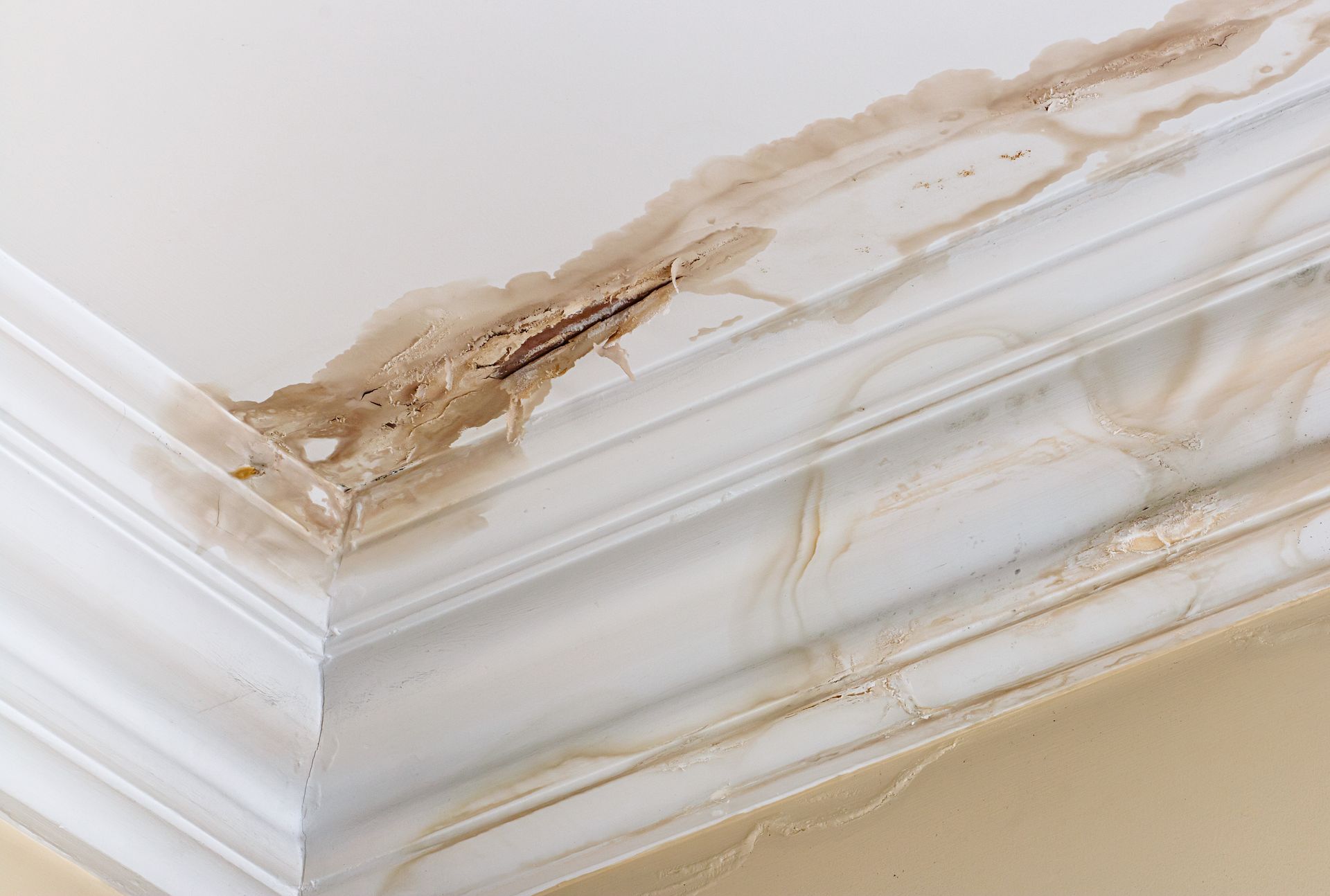
- Look for staining near windows and doors after rain
Why this happens in Oregon weather:
Long wet seasons and wind-driven rain expose weak transitions and failed sealing. When moisture gets trapped behind siding or trim, deterioration accelerates even if the surface looks fine.
What an inspection should include:
- Finding the moisture entry point
- Checking the extent of compromised wood
- Confirming whether framing or load-bearing areas are affected
- Recommending repair sequencing so the issue does not repeat
FAQ:
1. Can dry rot spread behind siding without obvious exterior damage?
Yes, moisture can travel behind the wall while the surface still looks acceptable. That is why inspection at transitions and lower edges matters.
2. Does dry rot always mean I have a leak?
Dry rot requires moisture, so there is always a water source or trapped moisture condition. The key is identifying and correcting the pathway.
3. Should I repair dry rot before replacing siding?
Usually yes, because compromised wood must be rebuilt before installing a new exterior system.
4. What areas commonly hide dry rot?
Windows, doors, corners, deck ledger zones, and lower wall edges are frequent risk areas.
5. Can dry rot return after repair?
Yes, if the moisture pathway is not corrected. The fix must address both damaged wood and water management.
6. When should I schedule an inspection?
If you see soft wood, recurring staining, or movement near exterior features, schedule quickly. Early action reduces total repair scope.
If you suspect dry rot or moisture damage, schedule an on-site estimate with Foshay Contracting so the cause and scope are clear before it spreads.