
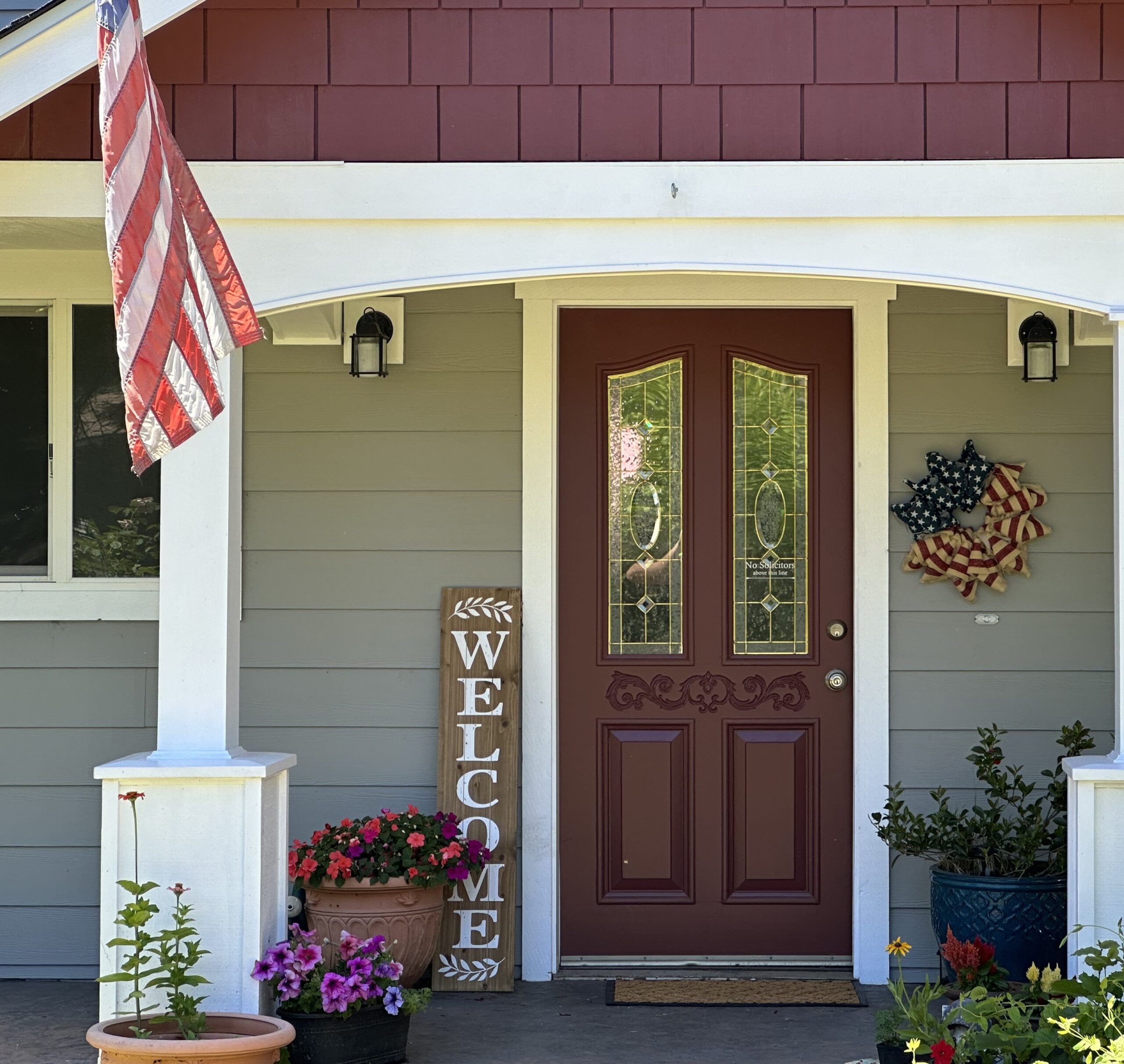
Door Installation
Door Installation in Eugene, Springfield & Surrounding Areas
Foshay Contracting installs and replaces entry, patio, and interior doors for homes throughout Eugene, Springfield, and the surrounding communities. We handle proper framing and sealing so doors hang straight, latch right, and keep water out around the frame. Click to request an estimate below or give us a call.
✓ Entry, patio & interior doors ✓ Licensed, bonded & insured ✓ CCB #231960 ✓ Financing available
Foshay Contracting
Professional Door Installation
A failing door, especially exterior, is more than an inconvenience. Poor sealing, worn thresholds, and water intrusion at the entry can lead to drafts, recurring leaks, and damage to framing and trim over time, especially in cool, rainy conditions. Foshay Contracting provides door installation and door repair with proper fit, weather sealing for exterior doors, and clean finish work designed for Oregon’s wet seasons. We proudly serve Eugene, Springfield, Junction City, Creswell, Veneta, Pleasant Hill, and the surrounding areas.
What we do
Door Installation & Repair That’s Built To Last
Entry Door Replacement
We install and replace entry doors to improve security, comfort, and curb appeal. Correct fit and sealing are prioritized so the door performs long term.
French & Patio Doors
We install and repair sliding and hinged patio doors for smoother operation and better weather protection. A clean install improves comfort and reduces drafts near large openings.
Storm & Screen Doors
Storm and screen doors installed or replaced to improve ventilation, weather protection, and everyday use for homes in Eugene, Springfield, and surrounding areas. Each door is fitted to the existing entry for a clean, secure installation built to handle local weather.
Door Frame & Trim Repair
Door frame and trim repair for rotted, damaged, or shifted openings that can prevent a door from closing and sealing properly. We restore the surrounding structure for a secure, clean fit before installing or rehanging the door.
Weatherstripping & Sealing
Drafty doors are usually a sealing or alignment issue. We improve weather stripping, sweeps, and fit to your property energy efficient.
Door Installation
doors installed or replaced for a secure fit, smooth operation, and a finished look that complements your home. We provide professional door installation throughout Eugene, Springfield, and surrounding communities.
Recent door projects
Finished Door Projects In Eugene, Springfield & Surrounding Areas.
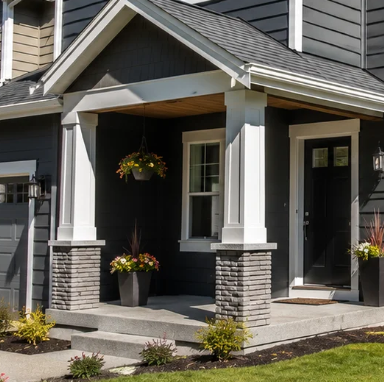
Entry door replacement · Veneta, OR
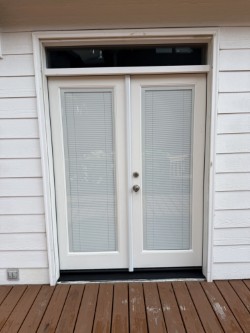
French patio door install · Eugene, OR
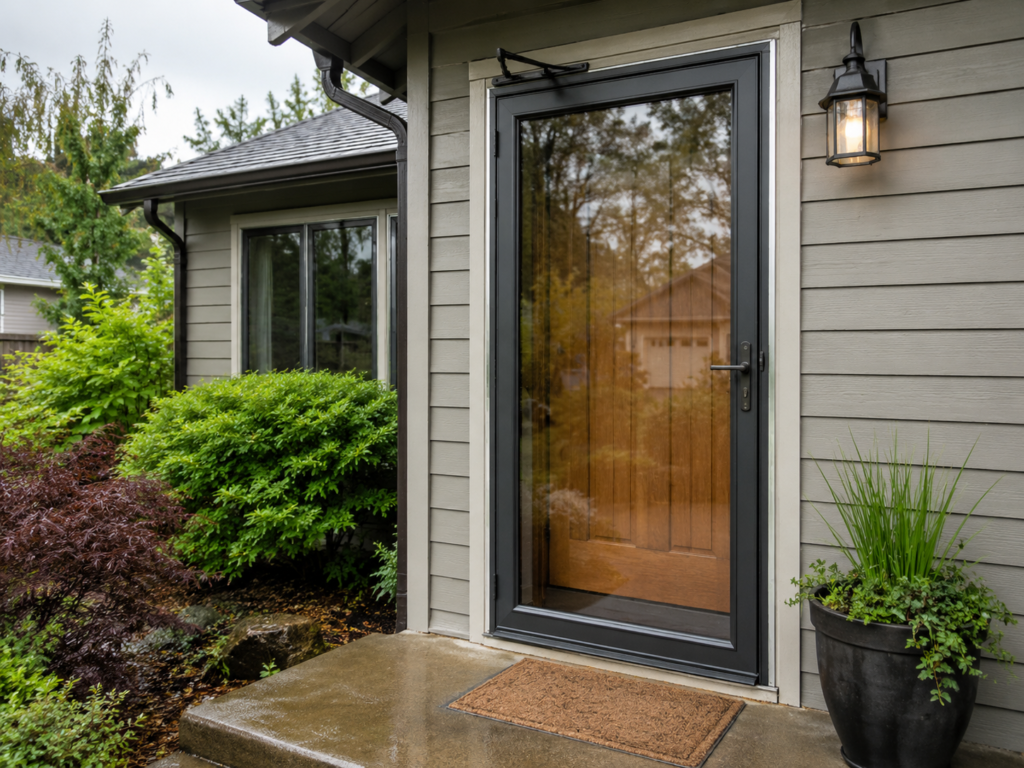
Storm door addition · Pleasant Hill, OR
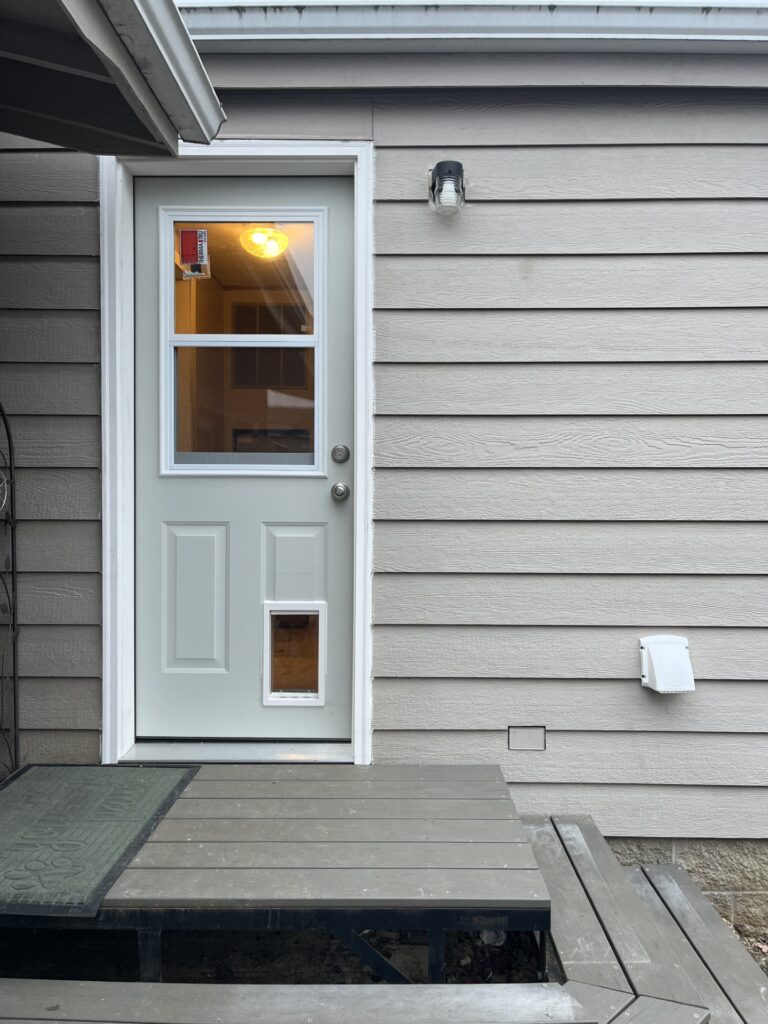
Door install with dog door · Junction City, OR
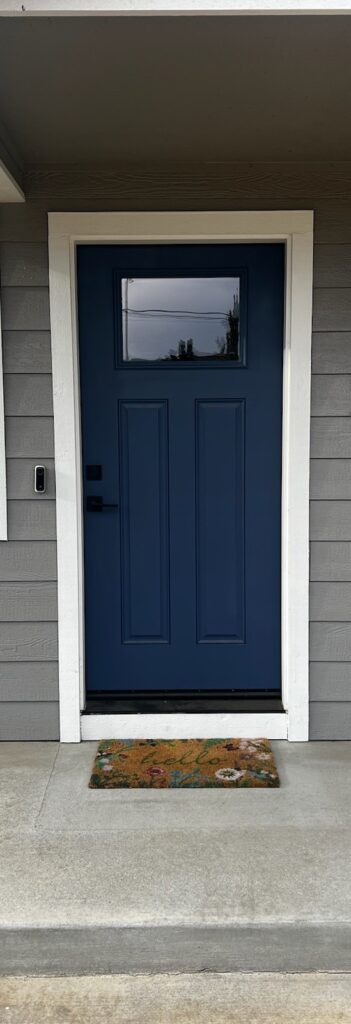
Exterior door installation · Springfield, OR
Straight answers
Cost, Timeline, Warranty & Financing
What it costs
Cost depends on door type, size, material, and whether the existing frame needs repair. An in-home inspection is the only way to get accurate pricing.
How long it takes
Most single-door replacements are finished in a day. Frame repair or multiple doors on the same visit take longer, we give a firm timeline once we’ve inspected in person.
Our warranty
Coverage holds until you’re satisfied, with no arbitrary cutoff date. If something shifts or needs adjustment after installation, we come back and fix it.
Financing available
Hearth financing is available with flexible payment options, so a door project doesn’t have to wait until the full budget is saved up.
Materials we work with
We Source Locally
Jerry’s Home Improvement
Discount Windows & Doors
Overhead Doors
Reviews
What Our Clients Say
★★★★★
“Josh and his crew were on time, friendly and super speedy. A job I expected to take at least a day they finished in 4 hours. The amazingly fair estimate Josh gave me was exactly what we paid. They cleaned up after themselves beautifully and closed up the holes in the house nicely. I look forward to working with them again.”
A O
★★★★★
“We interviewed a number of construction companies when we decided to add work to our home. His thoroughness, good humor, willingness to listen, and attention to details we would never have considered produced results that exceeded our expectations. All along the way, Josh explained his progress and kept us fully informed. We will use Foshay Construction again without hesitation, and would recommend his work in a heartbeat.”
Ron S.
Free estimate
Tell Us About Your Project
Send the form, call or text, and we will schedule a walkthrough to inspect your doors and scope the project.
Frequently Asked Questions About Door Installation
How do I know if my exterior door needs to be replaced?
Common signs include drafts, sticking or difficulty closing, visible gaps, warped or cracked materials, damaged frames, recurring water intrusion, soft or rotted wood, and a door that no longer seals properly. Some problems can be repaired, while extensive damage may make replacement more practical.
Why is my exterior door drafty?
Drafts can be caused by worn weatherstripping, gaps around the frame, a poorly adjusted threshold, door misalignment, or an improperly installed door. The door and frame should be evaluated to determine whether sealing and adjustment will solve the problem or whether replacement is needed.
Can a leaking exterior door cause dry rot or water damage?
Yes. Water entering around a door can damage the threshold, subfloor, wall sheathing, framing, trim, and nearby flooring. If water intrusion has been occurring for an extended period, the surrounding materials should be inspected before a new door is installed.
What type of exterior door is best for homes in Eugene and Springfield?
Fiberglass, steel, and wood are common exterior door materials. Fiberglass and steel generally require less maintenance and are resistant to many moisture-related problems, while wood provides a traditional appearance but typically requires more maintenance and protection from weather exposure. The best choice depends on budget, appearance, exposure, and maintenance preferences.
What is included with professional door installation?
A complete installation can include removal of the existing door, inspection of the rough opening, necessary repairs, installation and adjustment of the new door, flashing or weatherproofing where appropriate, insulation around the frame, trim work, hardware installation, sealing, and cleanup. The exact scope depends on the existing opening and the type of door being installed.
Do I need a permit to replace an exterior door in Eugene or Springfield?
A door replacement generally does not require a building permit in Eugene when no structural member is changed. Changing the size of the opening, creating a new opening, or making structural alterations can require a permit. Requirements should be confirmed for the specific project and jurisdiction.
Do you install exterior doors in Eugene, Springfield, and surrounding areas?
Yes. Foshay Contracting provides exterior door replacement and installation in Eugene, Springfield, and surrounding Lane County communities. Projects can include entry doors, patio doors, sliding doors, frame and trim repairs, weatherproofing, and dry rot or structural repairs discovered during installation.
Should I repair my exterior door or replace it?
Repair may be enough when the problem is limited to weatherstripping, hardware, alignment, caulking, or minor surface damage. Replacement is usually more appropriate when the door or frame is significantly warped, rotted, damaged, or no longer provides a reliable weather seal.
Where we work
Door Installation Near You
Based in Springfield, we cover Eugene and Springfield daily, with regular work in Junction City, Veneta, Creswell, and Pleasant Hill.
Ready to build something better?
Professional Door Installation in Eugene, Springfield, Junction City, Veneta, Creswell, Pleasant Hill, and surrounding areas.

Licensed, bonded, and insured general contractor serving Eugene, Springfield, and surrounding areas.
CCB #231960
Memberships: Eugene Builders Exchange, BBB, Springfield Chamber of Commerce, BNI
Interior
Exterior
Fences
Contact
Eugene, Springfield, Junction City, Veneta, Creswell, Pleasant Hill
Mon–Fri 8am–5pm · Sat–Sun closed
© 2026 Foshay Contracting LLC. All rights reserved.
CCB #231960