What is the best siding for Oregon rain and low maintenance?

March 6, 2026

Direct answer:

Fiber cement is a popular low-maintenance choice for Oregon rain because it resists rot and holds up well in long wet seasons. Vinyl, engineered wood, and cedar can also perform well when installed with correct flashing and water management details.


How to choose the right siding:

Think performance first, then appearance and maintenance. The best siding is the one that matches your upkeep tolerance and is installed correctly at transitions.


Siding options:

  • Fiber cement: Strong durability and rot resistance. Common choice for long-term performance with low maintenance.
  • Engineered wood: Wood look with modern durability advantages. Best with strong water management and proper maintenance.
  • Cedar: Classic Pacific Northwest style. Performs well with proper installation and staining/sealing.
  • Vinyl: Low maintenance and cost-effective. Works best with correct detailing to shed water.

FAQ:

  • 1. Is siding material more important than installation?

    Installation and water management often matter more than the board itself.

  • 2. What causes siding to fail early in wet climates?

    Water intrusion at seams, corners, windows, doors, and penetrations is the main cause.

  • 3. Should trim be replaced during siding work?

    Often yes, because trim is a common failure point.

  • 4. Can new siding hide existing problems?

    It can temporarily if rot is not addressed. Proper projects repair compromised wood first.

  • 5. How long should siding last in Oregon weather?

    Depends on material, detailing, and maintenance. Correct installation extends life.

  • 6. What is the best first step if unsure what siding to choose?

    Schedule an on-site evaluation to confirm condition and best material approach.

If considering siding installation or repairs, schedule an estimate for a clear scope and right material plan.

Scaffolding set up on a timber-framed house under a bright blue sky.
March 6, 2026
Direct answer: Many remodeling projects require permits, especially for plumbing, electrical, structural, or major layout changes. Requirements depend on scope and local jurisdiction. Projects that often require permits: Structural changes and framing work Plumbing moves or new fixtures Electrical changes Window and door opening changes Major remodels that alter layout Why permits matter: Permits support safety, code compliance, and protect resale value. Planning for permit timelines early helps prevent delays.
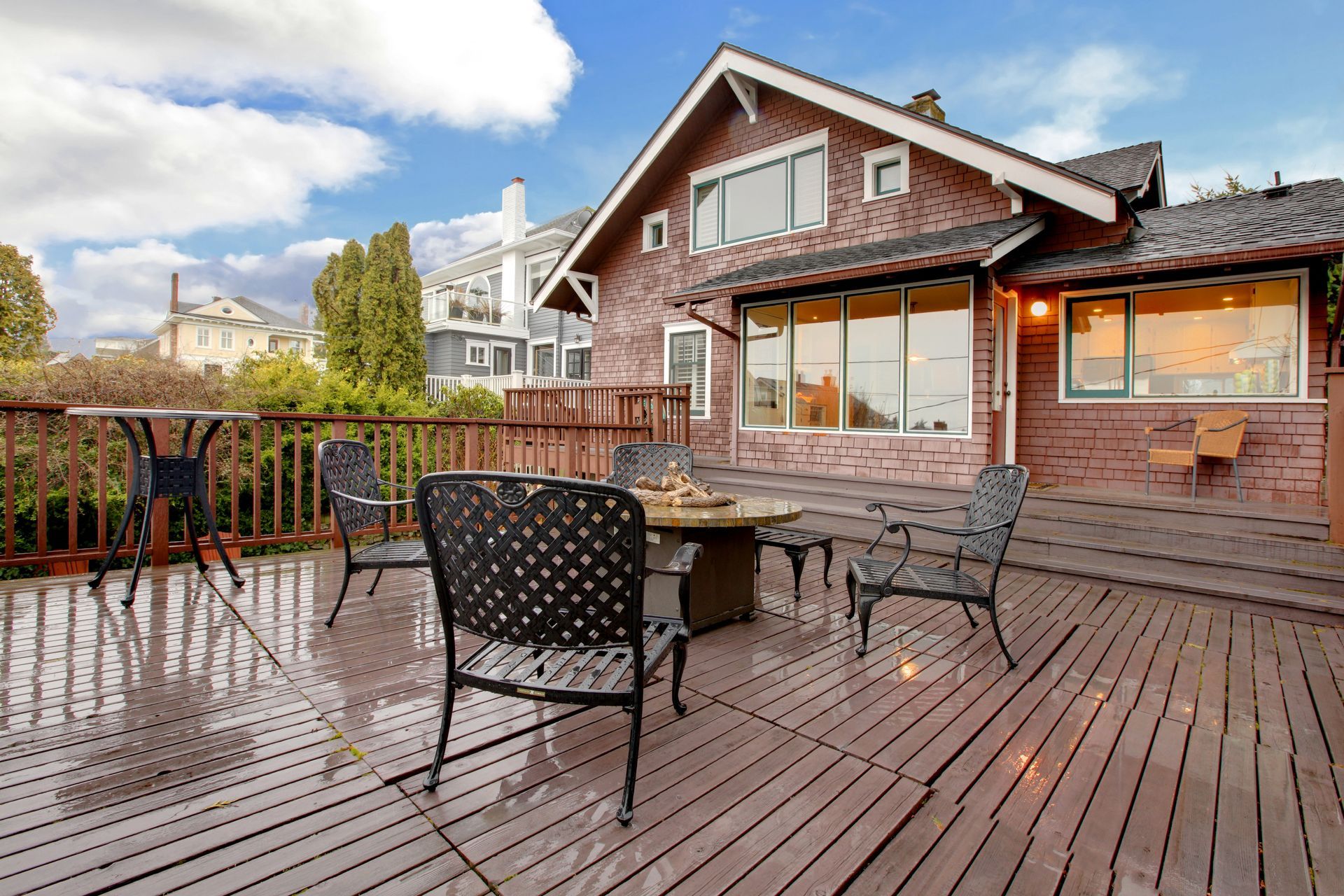
Wooden deck with outdoor seating in front of a brick house under a blue sky.
March 6, 2026
Direct answer: A deck is unsafe when it shows movement, soft spots, loose railings, unstable stairs, or visible rot. Wet-season moisture can weaken framing and fasteners over time, especially at posts and ledger connections. What to check: Soft spots underfoot Railings that move Stairs that wobble Rot at posts or beam ends Corroded fasteners or pulling hardware Repair versus rebuild: If supports and framing are solid, repairs can restore safety. If structure is compromised or rot is widespread, rebuilding is often safer long-term.
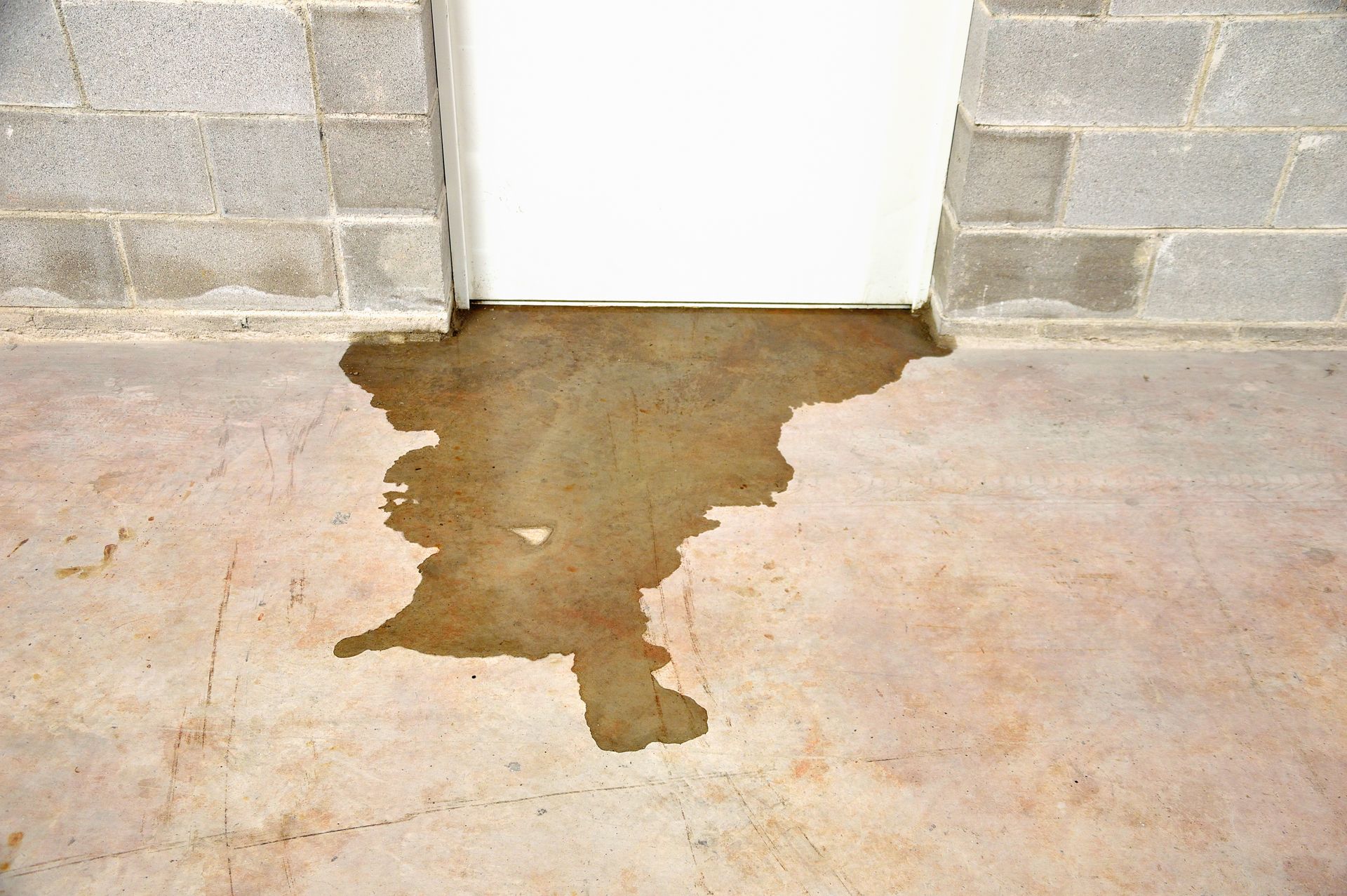
Water puddle on concrete floor near a doorway, in a basement with cinder block walls.
March 6, 2026
Direct answer: Most threshold leaks come from failed transitions at the sill, worn sealing, or incorrect installation details. Quick caulking often fails because it does not correct the water pathway. Common causes: Worn weather stripping and sweeps Poor threshold slope or damaged sill Failed sealant and transition gaps Framing movement over time Water pooling at the entry  What a real fix includes: Identify the entry point and correct transitions. Repair rot or damage before finishing the door system.
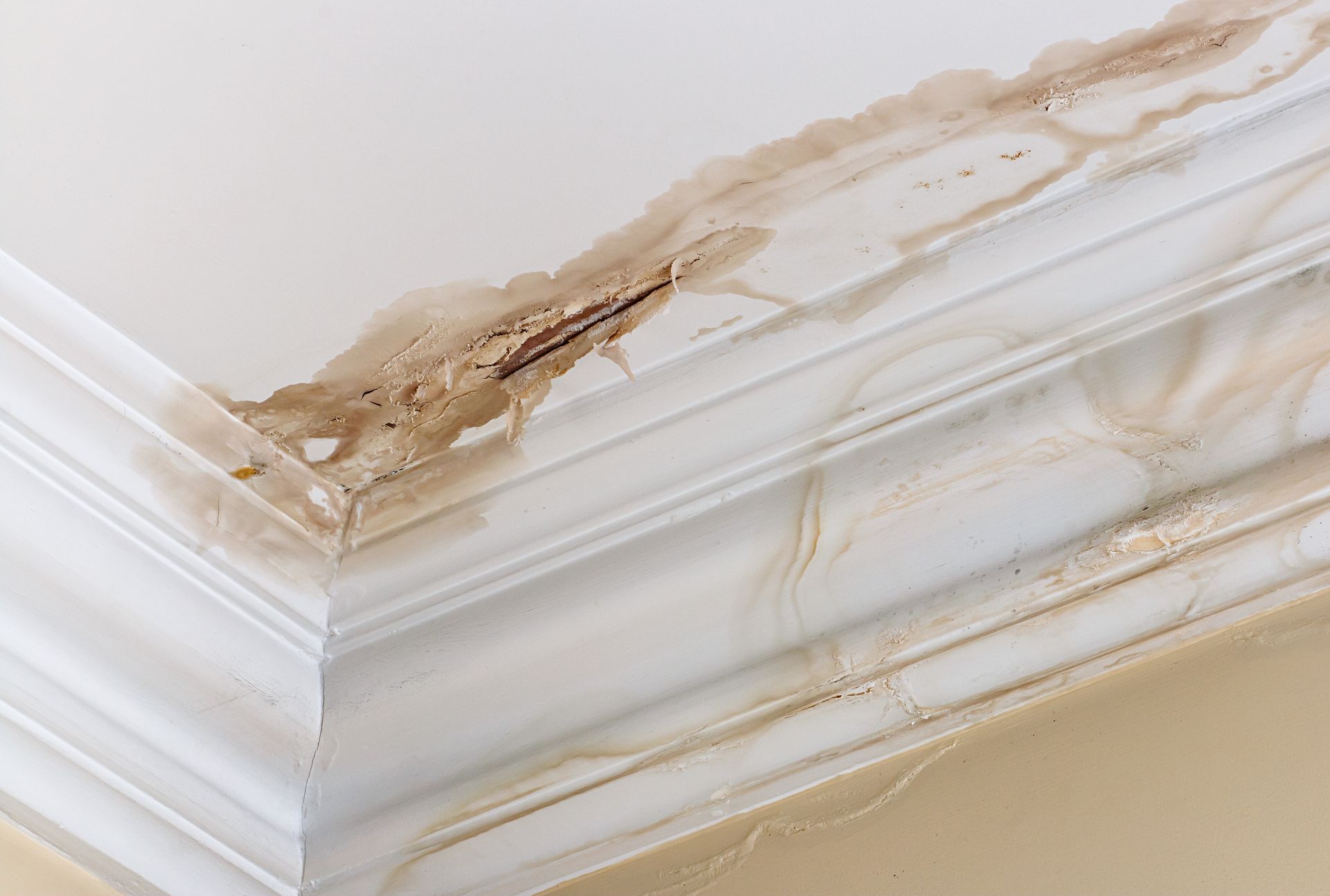
Water damage on a white ceiling and crown molding, with brown discoloration and visible structural damage in a corner.
March 6, 2026
Direct answer: Stop the water source if it is safe, protect electrical safety, document visible damage, and begin drying quickly. The biggest mistake is waiting and assuming the surface looks dry when moisture is still trapped inside materials. Immediate first steps: Shut off the source when possible Turn off power to affected areas if water is near outlets Move belongings and protect floors Take photos for documentation Start safe airflow and dehumidification Why speed matters in wet seasons: Wet-season moisture slows drying and increases the risk of secondary damage. Water can spread into drywall, insulation, subfloors, and framing, expanding scope fast. What professional restoration should include: Moisture detection beyond what you can see Controlled drying with correct equipment Removal of compromised materials when necessary Repair and rebuild after drying is verified
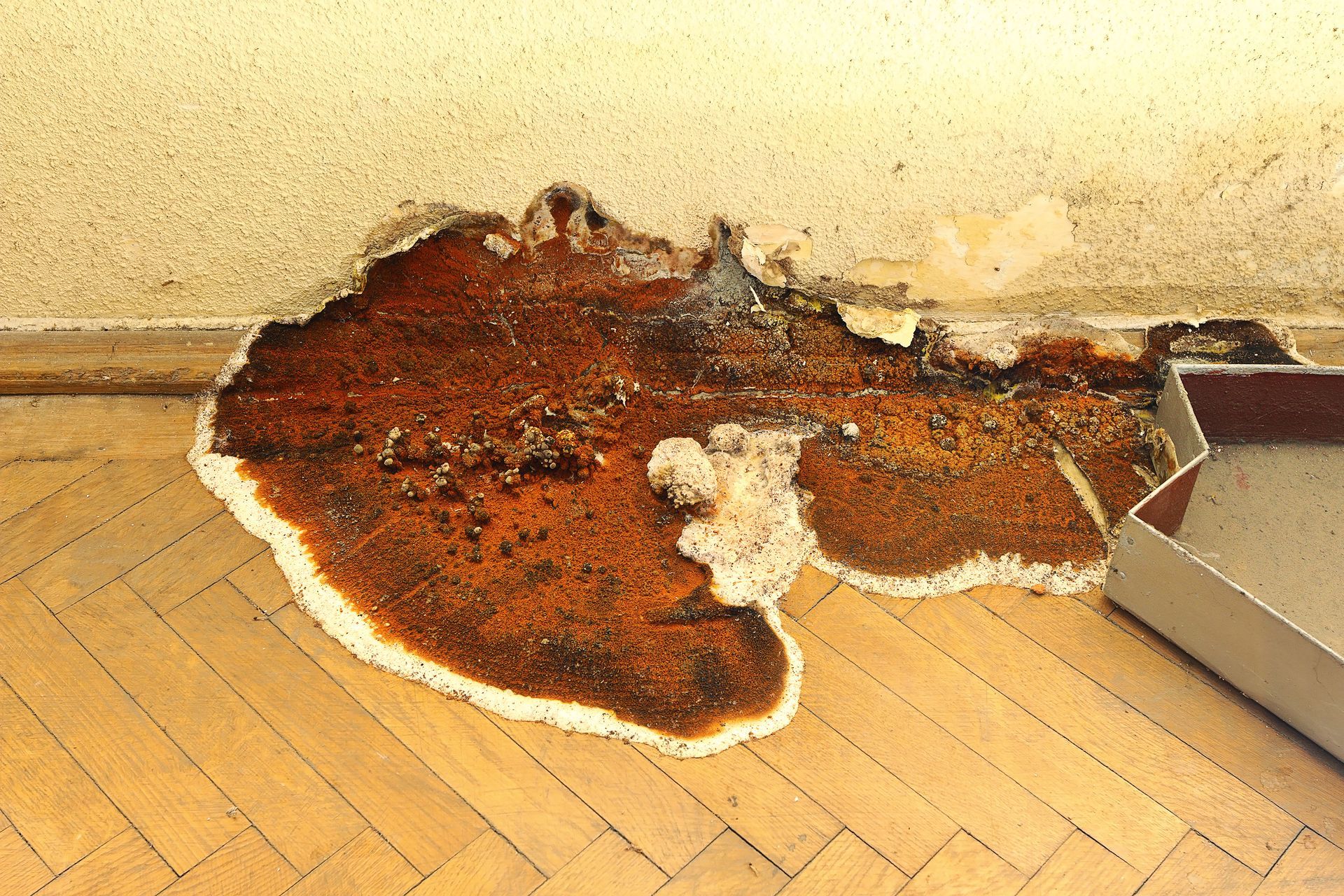
Brown water damage on wooden floor, near wall. White, crusty edges surround the damage.
March 6, 2026
Direct answer: Dry rot becomes structural when wood loses strength and can no longer reliably support loads or hold fasteners, often around windows, doors, decks, and siding transitions where moisture repeats. If wood is soft, crumbles, or shows significant deformation, a professional inspection is the safest next step. What homeowners can check right away: Look for soft or spongy wood at trim and corners Check for recurring paint failure and swelling that keeps returning Watch for musty odor near exterior walls Notice movement at railings, stairs, and deck connections Look for staining near windows and doors after rain Why this happens in Oregon weather: Long wet seasons and wind-driven rain expose weak transitions and failed sealing. When moisture gets trapped behind siding or trim, deterioration accelerates even if the surface looks fine. What an inspection should include: Finding the moisture entry point Checking the extent of compromised wood Confirming whether framing or load-bearing areas are affected Recommending repair sequencing so the issue does not repeat